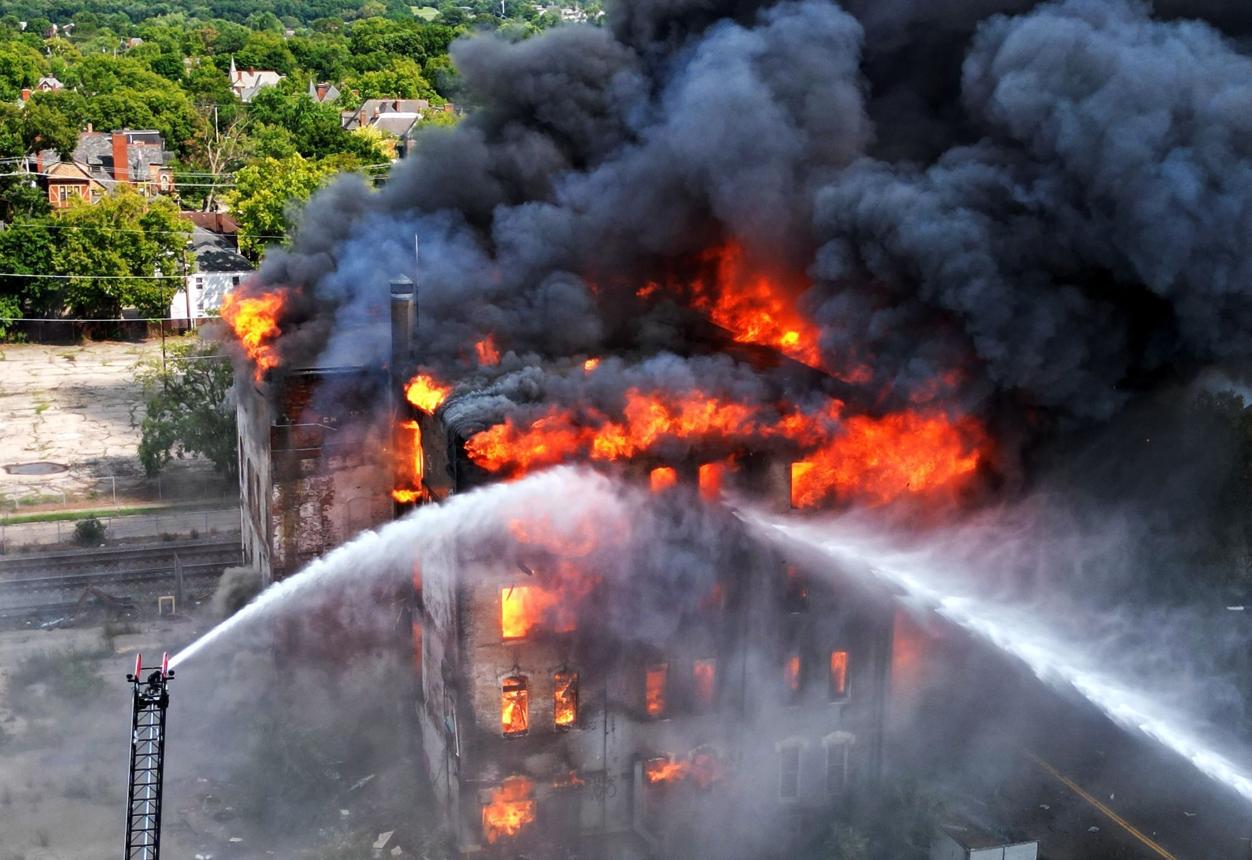
Glenpool Fire Today: Emergency Crews Respond to Reported Natural Gas Tank Blaze as Investigation Continues
Emergency crews are reportedly responding to a fire involving a natural gas tank in Glenpool, Oklahoma, with the incident drawing attention as authorities work to secure the area and determine what happened.
Information about the reported blaze remains limited, and the latest search did not produce a detailed official account identifying the exact location, the size of the fire, the condition of the tank or whether anyone was injured.
Glenpool Fire Department is equipped to handle both fire suppression and hazardous-material incidents, an important part of its role given the industrial and commercial activity in the area. The department serves a primary response district covering about 45 square miles in and around Glenpool.
A fire involving a gas storage tank requires particular care because firefighters must consider not only the flames themselves but also the possibility of pressure buildup, fuel release and secondary ignition. Emergency crews may establish a safety perimeter while determining whether the tank can be cooled, isolated or otherwise made safe.
The reported incident has understandably raised concern among people nearby, particularly if flames, smoke or emergency vehicles are visible from surrounding roads.
At this stage, there is no independently confirmed information about fatalities or serious injuries connected to the reported fire. The cause also remains unconfirmed.
Authorities have not publicly established whether the incident resulted from a mechanical failure, a leak, equipment malfunction, maintenance activity or another circumstance. Those conclusions normally require firefighters and investigators to examine the site after the immediate danger has been controlled.
Glenpool has a history of dealing with fires involving industrial storage facilities. In April 2003, a large storage tank at the ConocoPhillips Glenpool South tank farm exploded while being filled with diesel fuel. The resulting fire burned for roughly 21 hours, led to evacuations and caused more than $2 million in losses. The National Transportation Safety Board later determined that static electricity ignited a flammable fuel-air mixture inside the tank.
That historic event is not connected to the reported fire today, but it explains why a tank fire in Glenpool can attract significant attention and why emergency crews take such incidents seriously.
Residents near an active fire should avoid approaching the scene, particularly if there is any possibility of a hazardous-material release. Smoke from burning fuel can contain harmful substances, while damaged tanks and pressurized equipment can present additional dangers.
Motorists should also leave emergency access routes clear. Fire engines and other response vehicles may need to move equipment into position quickly, and traffic restrictions can be introduced while crews work.
For now, the reported natural-gas tank blaze remains a developing situation. More information should become available once Glenpool firefighters or local authorities provide an official update concerning the fire, any evacuations, injuries and the circumstances that led to the incident.
The Glenpool Fire Department’s public information confirms that hazardous-material response is among its responsibilities, meaning crews are trained and equipped to manage incidents involving potentially dangerous substances.
Until authorities release further information, claims circulating online about the scale of the fire or its consequences should be treated cautiously.
The immediate priority is keeping the public away from danger while firefighters work to bring the situation under control and ensure the area is safe.
A natural-gas tank fire has been reported in Glenpool, Oklahoma, with emergency crews responding and authorities expected to investigate the circumstances. At the time of publication, the exact location, cause, injuries and extent of damage had not been independently confirmed by the official sources reviewed.