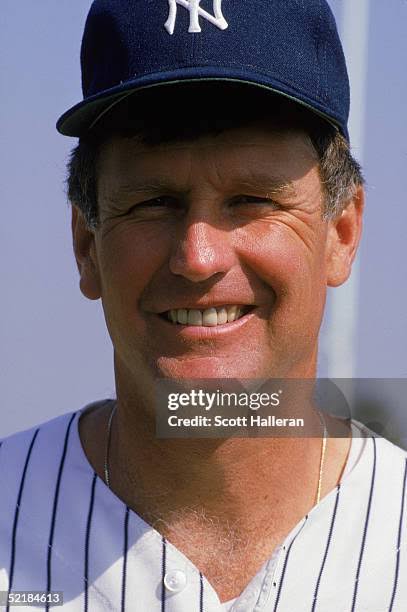
Tommy John Cause of Death: Lakewood Ranch, Florida Mourns Baseball Pitching Pioneer Who Died at 83
Baseball is mourning the loss of one of the most influential pitchers in the history of Major League Baseball after Tommy John died at the age of 83. The legendary left-hander, whose name became permanently associated with one of the most important medical procedures in sports, died on August 15, 2026, at his Florida home. Reports place his home in the Lakewood Ranch area, where he had lived in retirement.
John’s death was confirmed by reports from Major League Baseball and news organizations following the announcement that the four-time All-Star had passed away after being in hospice care. Legacy reports that he died from bladder cancer at his home in Lakewood Ranch, Florida.
For generations of baseball fans, Tommy John represented far more than a successful pitching career. He became a symbol of perseverance after suffering a devastating elbow injury in 1974 that appeared likely to end his professional career.
While pitching for the Los Angeles Dodgers, John tore the ulnar collateral ligament in his pitching elbow. At the time, the injury was generally considered career-ending. Instead, John agreed to undergo an experimental operation performed by orthopedic surgeon Dr. Frank Jobe, who reconstructed the damaged ligament using a tendon from John’s forearm.
The operation would eventually become known around the world as Tommy John surgery.
After missing the 1975 season while recovering, John returned to Major League Baseball in 1976. His comeback was extraordinary. Rather than simply returning to the mound, he continued pitching at a high level for many years and ultimately added 164 victories after the groundbreaking procedure.
John finished his remarkable major-league career with 288 victories, 2,245 strikeouts and a 3.34 earned-run average over 26 seasons. He pitched for the Cleveland Indians, Chicago White Sox, Los Angeles Dodgers, New York Yankees, California Angels and Oakland Athletics. He was selected to four All-Star teams and appeared in three World Series.
His time with the Yankees became an especially memorable chapter of his career. John spent eight seasons with New York across two separate periods and won 91 games for the organization. His longevity and ability to remain effective well beyond the normal career span of a pitcher helped establish his reputation as one of baseball’s great survivors.
Yet his influence extended far beyond his statistics.
The surgery that bears John’s name became one of the most significant developments in modern sports medicine. Ulnar collateral ligament reconstruction has since allowed thousands of athletes, particularly baseball pitchers, to return to competition following serious elbow injuries. John’s successful recovery helped demonstrate that an injury once considered devastating did not necessarily have to end an athlete’s career.
John never received election to the Baseball Hall of Fame, despite his impressive career totals and historic medical legacy. Nevertheless, his impact on baseball is difficult to measure solely through traditional statistics.
In the years following his playing career, John remained connected to baseball through broadcasting, coaching and other roles. He also maintained ties to the Lakewood Ranch community. A 2022 report from the Your Observer described John speaking about his playing career at the Lakewood Ranch Elks Lodge while helping raise money for Southeastern Guide Dogs.
News of his death has prompted tributes from former teams, baseball organizations, players and fans who remember both his accomplishments and the medical breakthrough that forever carried his name.
Tommy John’s legacy will therefore extend well beyond the 288 games he won. His career demonstrated extraordinary determination, while his pioneering recovery helped transform how baseball and the wider sporting world viewed serious ligament injuries.
As family, friends and baseball supporters remember the longtime pitcher, Tommy John leaves behind an enduring place in baseball history as the pitching pioneer whose comeback changed the game and whose name became synonymous with a procedure that continues to give athletes another chance to compete.