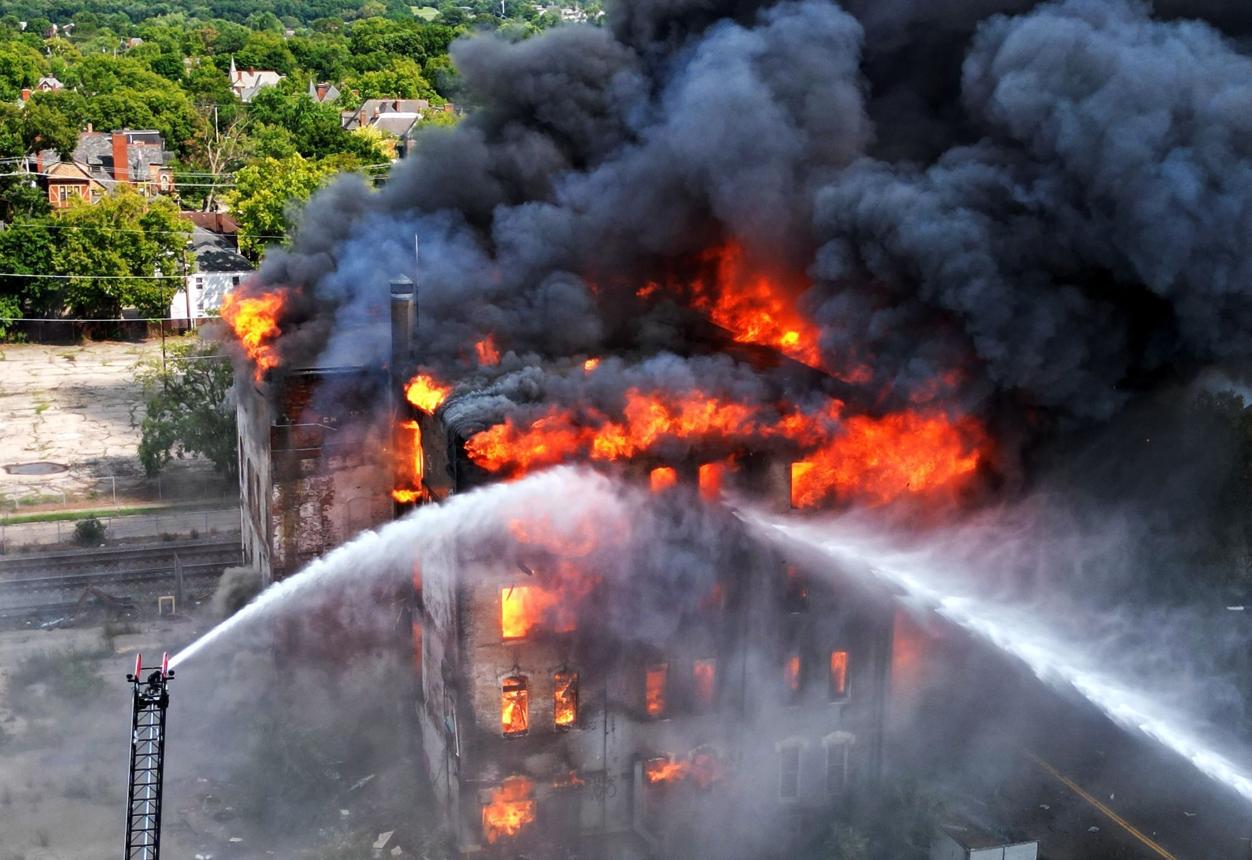
Emergency crews are reportedly responding to a fire involving an Explorer Pipeline operation, with the incident drawing attention in the Tulsa area as questions grow about a possible petroleum-line emergency and the status of the company’s operations.
The fire is being discussed locally today, August 17, with social-media users specifically identifying Explorer Pipeline while trying to determine what is burning and whether the incident involves LNG or another petroleum product. Those initial accounts have not yet been matched by a formal public statement from Explorer Pipeline or a detailed fire-department report.
That means important details remain unclear, including the exact location, what product may be involved, whether there has been a pipeline rupture and whether anyone has been injured.
Explorer Pipeline is headquartered in Tulsa, Oklahoma, and operates approximately 1,800 miles of petroleum pipeline connecting Gulf Coast refining areas with markets across the Midwest. The company transports gasoline, diesel, jet fuel and other refined petroleum products through its system.
A fire involving petroleum infrastructure requires a very different response from an ordinary structure fire. Firefighters must consider the potential for fuel to continue feeding flames, pressure inside the pipeline and the possibility of secondary fires or explosions.
Explorer’s own emergency procedures instruct responders to establish a safety zone, control access, consider wind direction and eliminate the flow of petroleum when a pipeline emergency occurs. The company also advises the public not to operate pipeline valves or create potential ignition sources near a suspected release.
The reported emergency therefore could involve a significant coordination effort between firefighters, police, pipeline personnel and other agencies.
Explorer maintains a 24-hour emergency number and says its pipeline system is continuously monitored through field inspections, aerial patrols and a control centre in Tulsa.
The company has dealt with pipeline fires before. In December 2023, a flash fire occurred at its Port Arthur, Texas, facility while contractors were completing a project. Six people were taken to hospitals, the affected section was shut down and the company worked with federal pipeline-safety officials to investigate the cause.
That was a separate incident and should not be confused with today’s report.
The most important unanswered question today is what exactly happened.
If the reported fire involves a petroleum line or related facility, authorities may shut down part of the system as a precaution while crews isolate the affected section. A shutdown can help stop the flow of product and give emergency responders a safer environment in which to work.
There has been no verified public report in the sources reviewed confirming fatalities or serious injuries connected with today’s incident.
Residents who see smoke or flames should stay away from the area and follow instructions from emergency personnel. Pipeline fires can produce toxic smoke and present hazards well beyond the immediate flames.
Motorists should also avoid approaching a response scene simply to observe what is happening. Emergency crews may need unrestricted access for fire apparatus and specialised equipment.
As investigators begin assessing the incident, they will likely examine whether the fire was caused by equipment failure, a leak, maintenance activity or another factor.
Further information from Tulsa-area emergency services or Explorer Pipeline is needed before those details can be established.
A fire involving Explorer Pipeline is being reported in the Tulsa area today, with emergency crews reportedly responding and online reports raising questions about a possible petroleum-line incident. Explorer confirms that it maintains emergency shutdown procedures for pipeline fires and releases, but the exact location, cause, injuries and status of today’s reported blaze have not yet been independently confirmed.